

CIRCULAR ECONOMY - A DRIVER OF ECONOMIC GROWTH
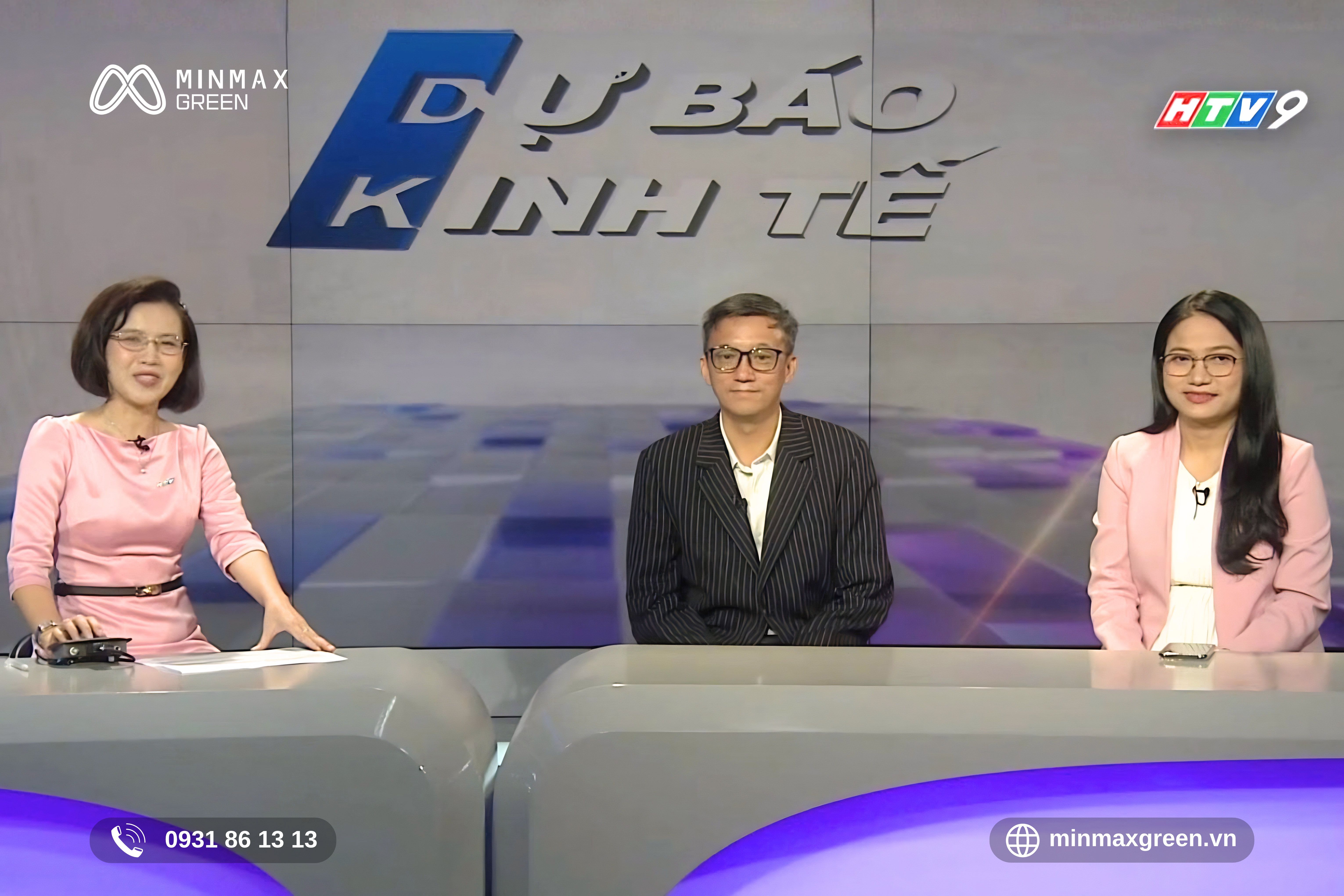
MinMax Green participated in HTV’s Economic Forecast program, featuring Ms. To Thi Hong Diep, to discuss the circular economy and its growth opportunities for Vietnamese businesses.
05 November 2026
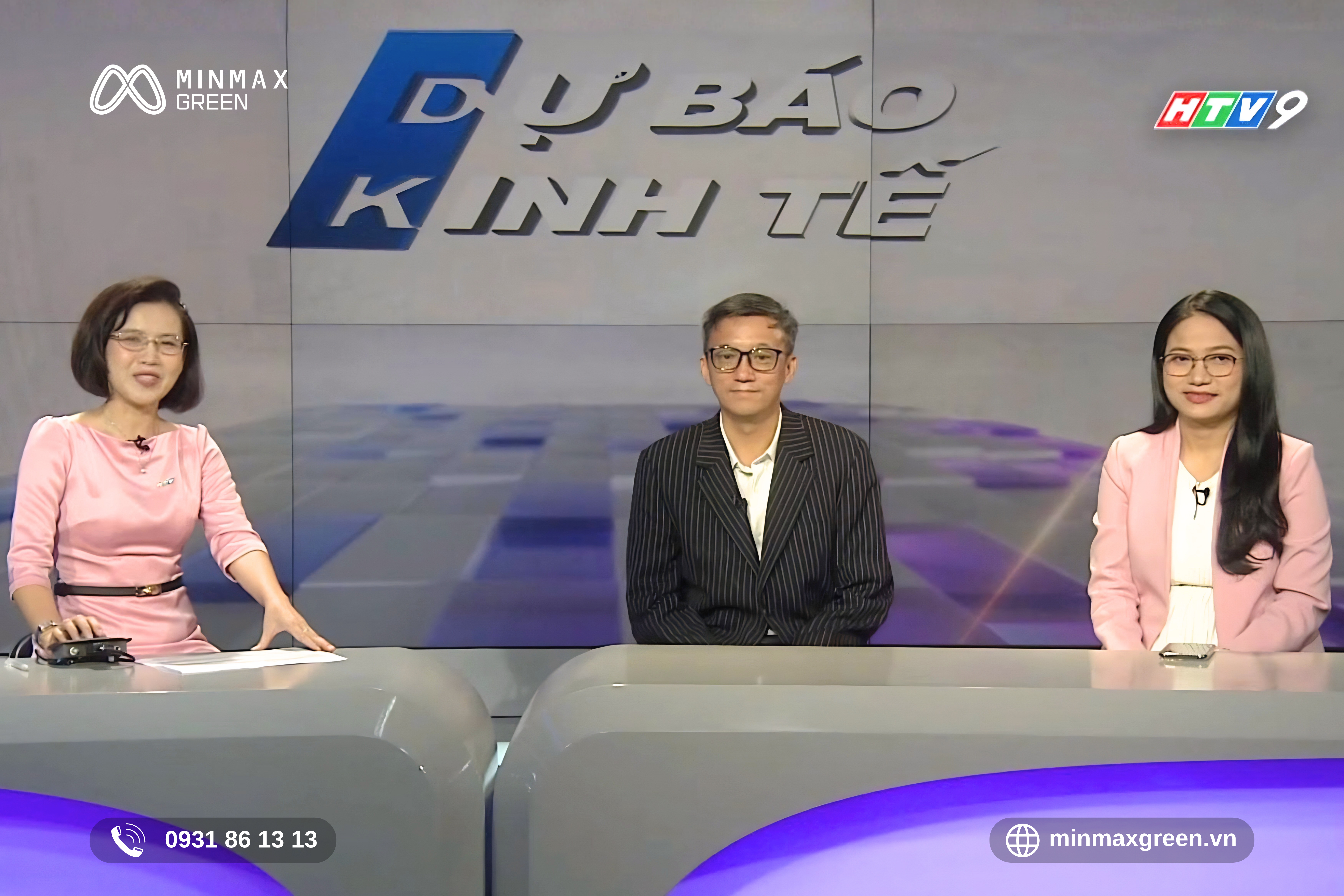
Amid growing environmental pressures associated with urban development, balancing economic growth with ecosystem protection has become an increasingly urgent priority. In this context, the circular economy is not merely a development orientation but also presents practical opportunities for businesses to optimize resource use, minimize waste, and create new economic value.
However, translating circular economy principles from theory into practical applications across production and business operations remains a challenge that needs to be addressed.
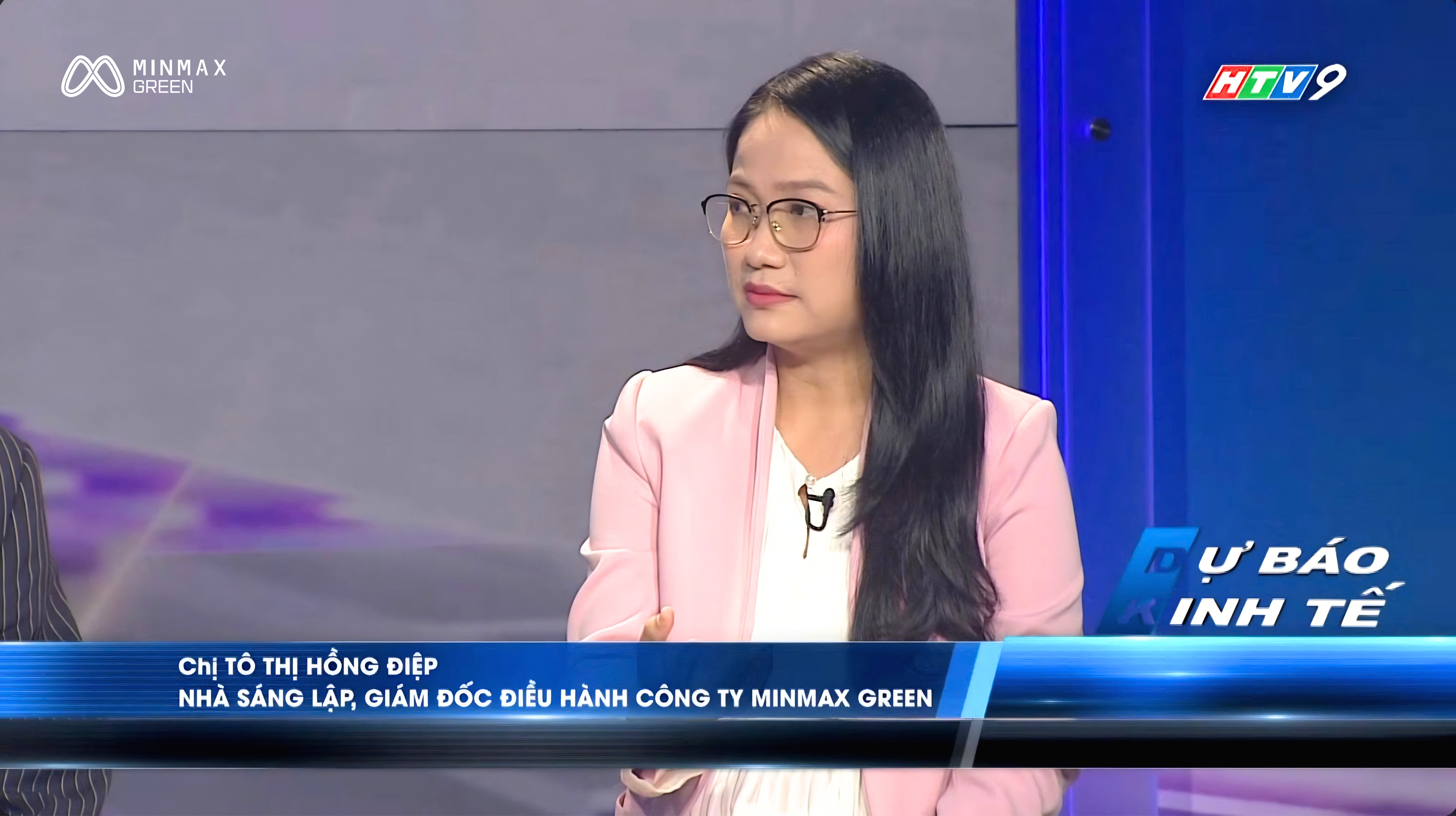
This was one of the key topics discussed in the latest episode of Economic Forecast, broadcast by Ho Chi Minh City Television (HTV), under the theme “Circular Economy – A Driver of Economic Growth.” The program featured Ms. To Thi Hong Diep – Founder & CEO of MinMax Green, as an expert guest, alongside Assoc. Prof. Dr. Nguyen Hong Quan – Director of the Institute for Circular Economy Development Research, Vietnam National University Ho Chi Minh City.
Through practical insights and real-world examples, the discussion explored several important aspects of the green transition roadmap for Vietnamese businesses.
1. Turning By-products into Resources and Creating New Economic Value
The circular economy creates opportunities to make effective use of resources traditionally considered waste or by-products of production processes. A notable example is the recovery of coffee husks and spent coffee grounds to develop value-added products such as cups, mugs, and textile materials.
These models demonstrate that agricultural by-products can become valuable input materials for other industries, helping reduce waste treatment pressures, conserve resources, and establish new value chains.
2. Proactively Adapting to Sustainable Development Requirements
International mechanisms and standards, such as the Carbon Border Adjustment Mechanism (CBAM) and Environmental, Social, and Governance (ESG) criteria, are introducing increasingly clear requirements for business operations, production activities, and supply chains.
To maintain their competitiveness, businesses need to proactively establish environmental data systems, conduct greenhouse gas inventories, and ensure transparent, evidence-based emissions management. These efforts not only prepare businesses for international market requirements but also help identify emission sources, evaluate operational performance, and develop appropriate emission reduction plans.
3. Starting the Green Transition with Practical Improvements
The green transition does not necessarily require substantial initial investment or complex technological solutions. Businesses can gradually improve resource efficiency through changes tailored to their operational scale and conditions.
Solutions discussed in the program included upgrading boiler systems, strengthening energy management in office operations, and applying electrostatic powder coating technology to minimize material waste. These improvements can contribute to emission reductions while helping businesses lower costs and enhance production efficiency.
4. Leveraging Resources and Support Policies in Ho Chi Minh City
Alongside internal efforts, businesses can also benefit from Ho Chi Minh City's green transition support ecosystem, including professional resources, technological solutions, and preferential interest rate policies for investments in equipment and production upgrades.
These favorable conditions provide opportunities for businesses to accelerate their dual transition, combining green transformation with digital transformation to achieve more efficient and sustainable growth models.
Trust and Action - The Foundation for a Sustainable Development Journey
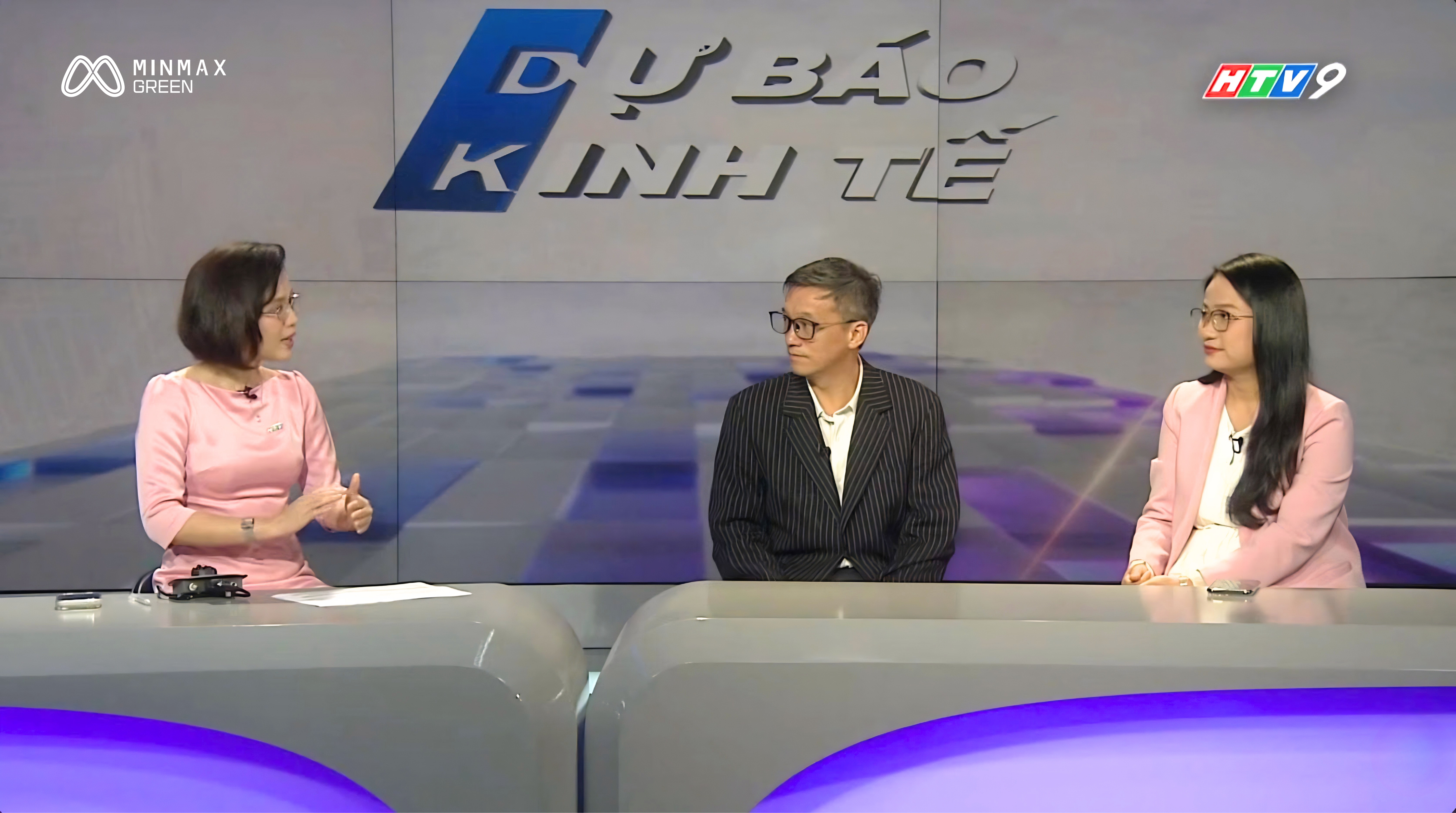
The perspectives shared during the program highlight that the circular economy is not a model that can be implemented overnight. Rather, it requires perseverance, strategic thinking, and a strong commitment to action from business leaders.
In particular, the message “Faith is love expressed in words,” shared by Ms. To Thi Hong Diep, emphasizes the importance of trust throughout the transformation journey. When supported by consistent decisions and concrete actions, trust can help turn sustainable development goals into tangible results.
With a commitment to supporting businesses in greenhouse gas inventory, emissions management, and reduction, MinMax Green aims to help enterprises establish transparent data foundations, strengthen environmental management capabilities, and progressively realize their sustainable development goals.
Watch the Economic Forecast program - “Circular Economy - A Driver of Economic Growth” here: https://www.youtube.com/watch?v=G1NpyoWH4Dg
Let’s contact us
MINMAX GREEN JOINT STOCK COMPANY
+84 931 861 313
176/1 - 176/3 Nguyen Van Thuong, Thanh My Tay Ward, Ho Chi Minh City, Vietnam.
team@minmaxgreen.vn
TIN: 0318459500